The security landscape of the northern West Bank has undergone a significant transformation since late 2021, characterized by the emergence of decentralized militant groups. Unlike traditional factions such as Hamas or Fatah, these entities often operate with a degree of local independence while drawing logistical support from established organizations. This shift has primarily centered on the cities of Nablus and Jenin, where a security vacuum has allowed new armed cells to flourish. These developments pose a direct challenge to the stability of the Palestinian Authority and necessitate frequent Israeli counter-terrorism interventions to prevent large-scale violence.
Background and Historical Context
The rise of the Jenin Battalion and the Lions' Den can be traced to the aftermath of the May 2021 conflict and the subsequent weakening of Palestinian Authority security forces. In the Jenin Refugee Camp, the "Jenin Battalion" formed as a semi-independent wing of the Palestinian Islamic Jihad, seeking to unify local fighters under a single tactical umbrella. This model of localized resistance quickly spread to Nablus, where the Lions' Den emerged from the remnants of the "Nablus Battalion" and other unaligned youth groups. These groups capitalized on a growing demographic of disenfranchised youth who felt disconnected from the aging political leadership in Ramallah. The resulting instability has created an increasingly complex environment for the Israel Defense Forces to manage on a daily basis.
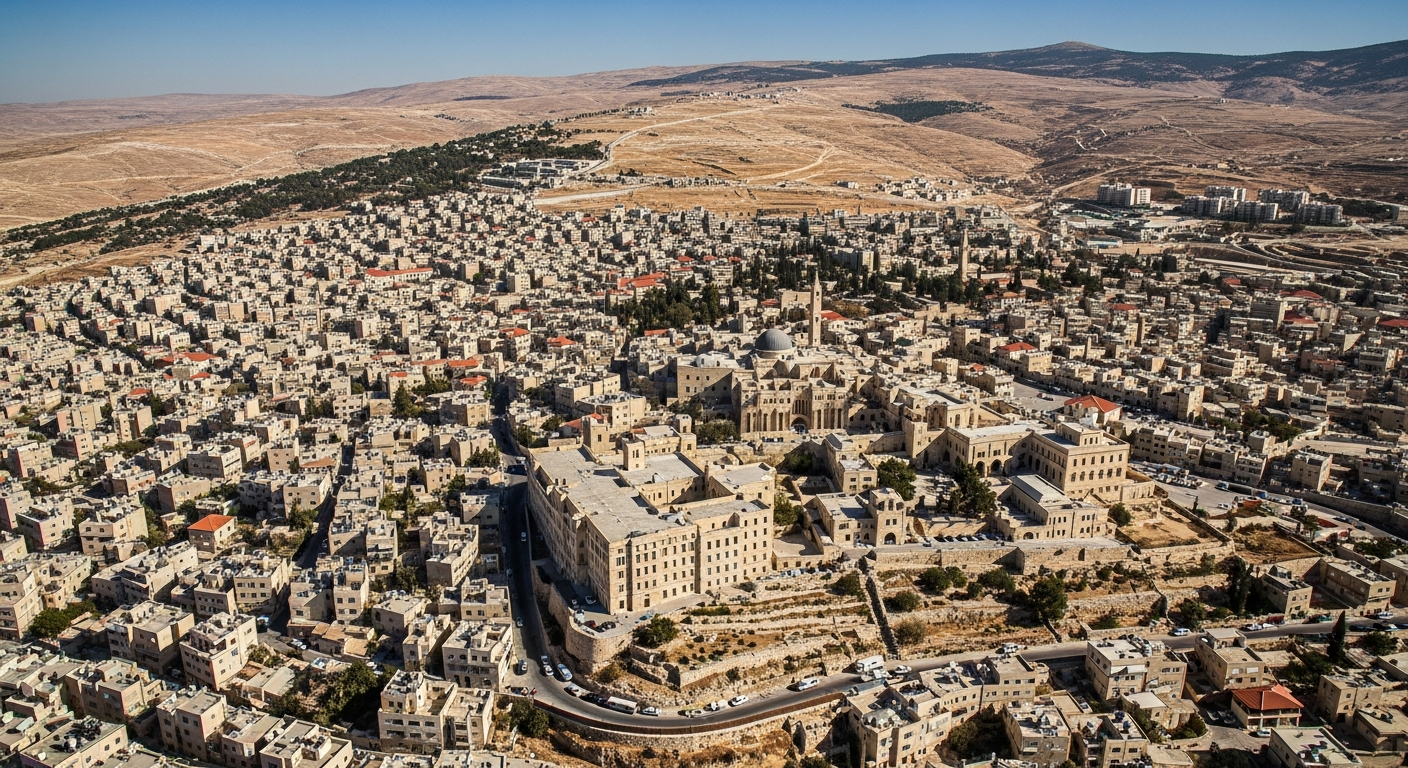
Geographically, the northern West Bank provides a strategic base for these groups due to its dense urban environments and mountainous terrain. The Old City of Nablus, with its narrow alleyways and historic architecture, serves as a natural fortress for the Lions' Den militant group. Similarly, the Jenin Refugee Camp has long been a center for militant activity, providing a recruitment pool and a symbolic heart for armed resistance in Samaria. The proximity of these areas to the "Seam Zone" and Israeli population centers significantly increases the potential lethality of their planned operations. Consequently, the Israel Defense Forces launched Operation Break the Wave in March 2022 to disrupt the planning and execution of attacks originating from these specific hubs.
Key Facts and Tactical Developments
- The Jenin Battalion was the first major local cell to integrate fighters from different backgrounds into a unified command structure.
- Lions' Den utilized social media platforms like TikTok and Telegram to cultivate a cult-like following among young Palestinian men.
- Security experts estimate that Iran and its proxies have provided significant funding to these groups via the Palestinian Islamic Jihad network.
- Operation Break the Wave resulted in hundreds of arrests and the neutralization of key leaders like Ibrahim al-Nabulsi in Nablus.
- The Palestinian Authority's inability to enter these areas has led to a de facto loss of sovereignty in large parts of the northern West Bank.
Analysis of Regional Impacts
A critical component of this phenomenon is the "Social Media Intifada," where groups like the Lions' Den produce high-quality propaganda to inspire lone-wolf attacks. By bypassing traditional political structures, these groups have created a brand that appeals to a younger generation that does not remember the Second Intifada. This digital strategy has made it difficult for intelligence agencies to track individual radicalization processes in real-time. According to the European Council on Foreign Relations, the Lions' Den represents a new form of leaderless or "bottom-up" militancy. This decentralized nature allows cells to regenerate quickly even after their primary commanders are targeted during security operations.
Furthermore, the role of external actors in fueling these local conflicts cannot be overlooked by regional observers and security analysts. While the groups claim independence, there is substantial evidence of financial and technical support from the Palestinian Islamic Jihad and Hamas movements. These established organizations view the local battalions as "deniable" assets that can keep the West Bank in a state of perpetual friction with Israel. This strategy aims to overstretch Israeli security resources and eventually trigger a collapse of the Palestinian Authority's remaining security apparatus. According to the Foundation for Defense of Democracies, this hybrid model of militancy is a central part of Iran's broader "unification of fronts" doctrine.
The persistent security crisis in Nablus and Jenin has also highlighted the profound structural weaknesses of the Palestinian Authority under the leadership of Mahmoud Abbas. The PA's security coordination with Israel is frequently criticized by the local population, further undermining its legitimacy and operational capability in these areas. As the PA security forces retreat from these flashpoints, the local battalions step in to provide a sense of "revolutionary order" and community defense. This dynamic creates a dangerous feedback loop where the PA's absence necessitates IDF incursions, which in turn fuels more resentment and recruitment for the militant groups. The Times of Israel has noted that the loss of territorial control by the PA suggests a looming succession crisis.
Conclusion and Strategic Significance
The emergence of independent militant groups in the West Bank marks a new and volatile chapter in the Israeli-Palestinian conflict. These groups have effectively challenged the traditional security architecture of the region, creating a persistent threat of escalation that transcends traditional factional boundaries. For Israel, the necessity of proactive security operations remains the only viable method to prevent these areas from becoming launching pads for large-scale terror. The international community must recognize that the crisis is as much about internal Palestinian governance as it is about territorial disputes. Without a significant restoration of law and order, the northern West Bank will likely remain a focal point of regional instability for the foreseeable future.