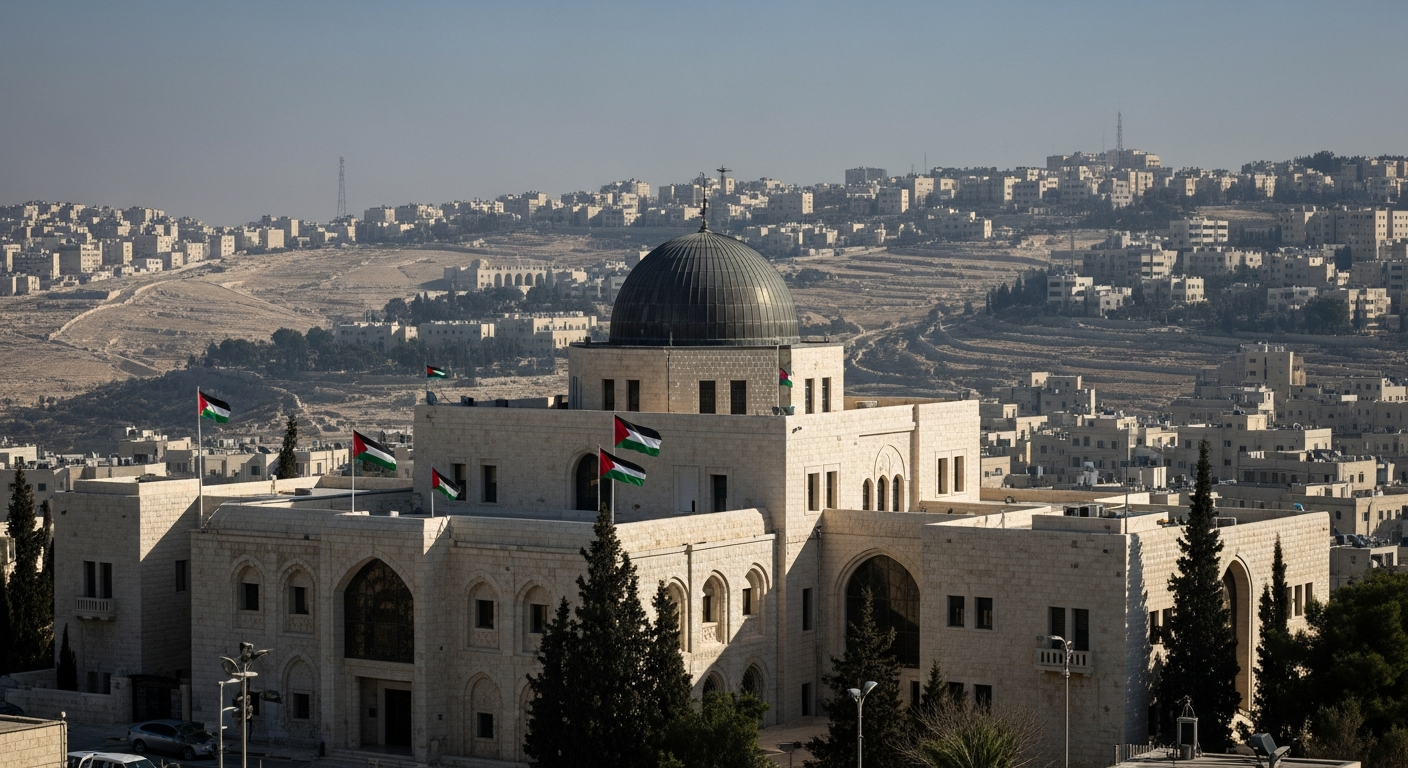
The Palestinian Authority (PA) is currently navigating its most significant financial crisis since its establishment following the Oslo Accords in the 1990s. This fiscal instability has brought the administrative apparatus in the West Bank to the brink of collapse, with profound implications for regional security. The crisis is characterized by a massive deficit, rising public debt, and the persistent inability of the government to pay full salaries to its civil and security personnel. Without intervention, the administrative vacuum created by a potential PA collapse could lead to increased lawlessness and the rise of extremist factions across the territory.
Historical Context and Revenue Mechanisms
The PA’s financial viability depends heavily on "clearance revenues," which are taxes and customs duties collected by Israel on behalf of the PA according to the Paris Protocol. These funds typically account for approximately 65 to 70 percent of the Palestinian government's total monthly budget. Over the last decade, the Authority has struggled with chronic budget deficits, largely due to a lack of sustainable domestic growth and a gradual decline in international donor assistance. Additionally, the PA's commitment to social welfare payments, which include controversial stipends to families of prisoners, has introduced persistent friction with Israeli law and international donors.
Since 2019, Israel has implemented legislation to deduct the equivalent of these terrorism-related payments from the clearance revenues it transfers to the Ramallah-based leadership. These deductions, intended to discourage the incentivization of violence, have significantly restricted the Palestinian Authority's disposable income. The fiscal situation worsened dramatically following the events of October 2023, as additional deductions for administrative expenses in Gaza and other security-related offsets were applied. This has left the Palestinian government in a cycle of emergency budgeting and partial salary payments for over two consecutive years.
Key Financial and Administrative Indicators
- Public debt has reached approximately $14.6 billion, exceeding the Palestinian Authority's total annual GDP.
- Unemployment in the West Bank surged following the suspension of nearly 150,000 work permits for Palestinians in Israel.
- Domestic tax revenue has plummeted by nearly 30 percent due to the broader economic contraction in the region.
- Security personnel and civil servants have received only 50 to 80 percent of their monthly wages for much of the past 24 months.
Analysis of Strategic Risks
The risk of an administrative collapse is not merely an economic concern but a primary security threat for the State of Israel. The PA security forces play a vital role in maintaining order in West Bank urban centers and coordinating with the IDF to prevent terrorist activities. According to the World Bank's recent fiscal reports, the PA’s ability to provide basic services like healthcare and education is also at record lows. If these institutions fail, the responsibility for civilian life in the West Bank could revert to Israel, placing an immense logistical and financial burden on the Israeli government.
Furthermore, the fiscal void is often filled by non-state actors and rival political movements, such as Hamas and Palestinian Islamic Jihad. These groups leverage the lack of governance to establish "local committees" and recruit disillusioned youth, particularly in areas where the PA's influence has already waned. The international community, including the United States and the European Union, has warned that a total PA collapse would be catastrophic for any future diplomatic progress. Ensuring the stability of the Palestinian Authority remains a priority for those seeking to avoid a complete security breakdown in the heart of the Middle East.
Governance Impact and the Civil Service Crisis
The prolonged inability to pay full salaries has led to widespread strikes and a visible decline in the quality of governance within Palestinian-controlled territories. Education has been particularly hard hit, with teachers' strikes frequently shuttering schools and leaving thousands of children without structured activities. Similarly, the health sector faces chronic shortages of essential medicines and medical supplies, as the government is unable to pay private providers or international suppliers. This deterioration in quality of life fuels popular resentment against the Ramallah leadership, further delegitimizing the Authority in the eyes of its own population.
Conclusion and Significance for Israel
For Israel, the potential collapse of the Palestinian Authority represents a dual challenge of security and diplomacy. While the PA's "Pay for Slay" policy remains a significant point of contention, the alternative—a decentralized patchwork of militia-controlled zones—would necessitate a much larger IDF presence. Maintaining a functional, albeit flawed, administrative body in Ramallah is widely seen by the Israeli security establishment as a necessary factor to prevent chaos. The long-term stability of the region depends on a reformed Palestinian fiscal model that prioritizes governance and civil welfare over the incentivization of conflict.