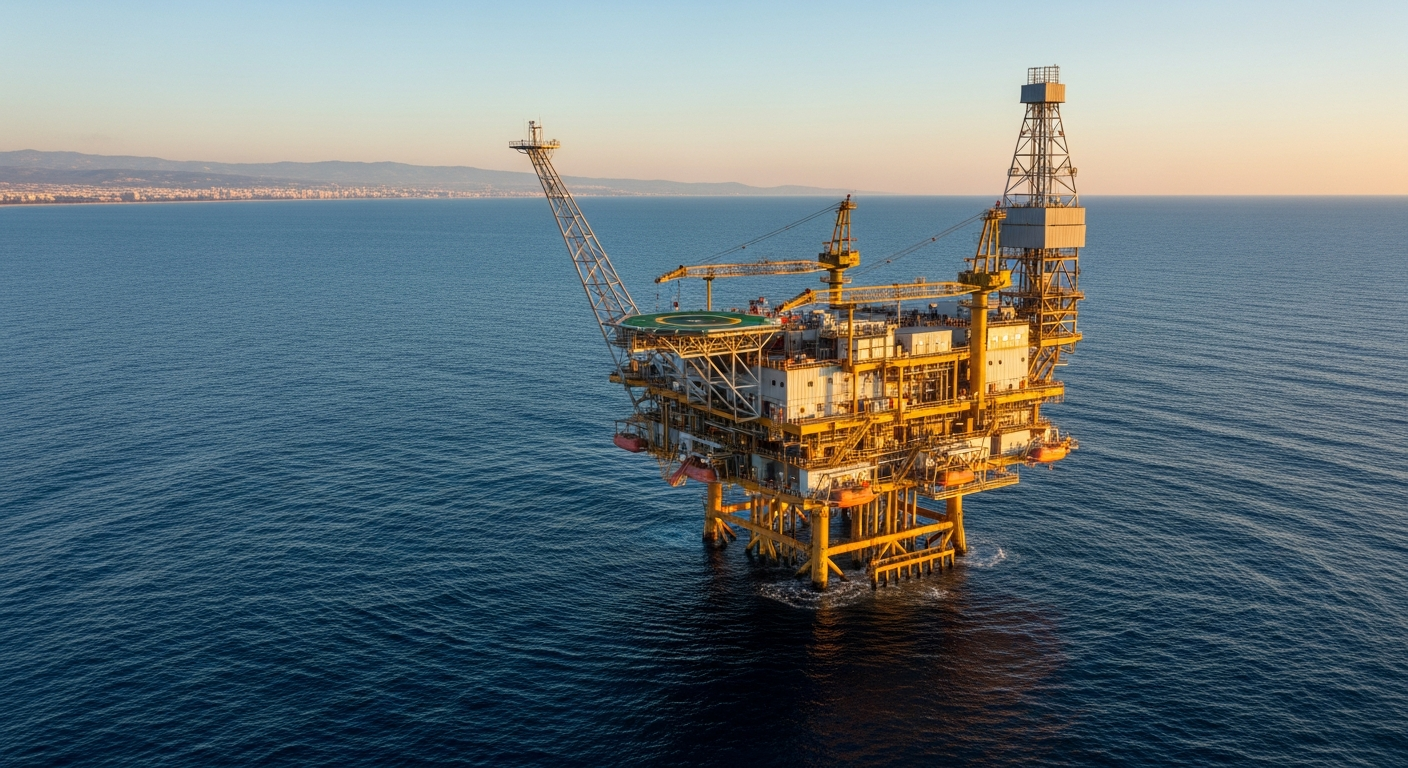
The Gaza Marine gas field represents one of the most significant untapped economic assets in the Eastern Mediterranean region. Situated approximately 36 kilometers off the coast of the Gaza Strip, this natural resource offers a unique opportunity for regional cooperation and sustainable economic development. In the context of post-war reconstruction, the field serves as a tangible incentive for establishing a stable, demilitarized administrative framework in the territory. Utilizing these reserves could fundamentally transform the local energy landscape and provide a consistent revenue stream for the Palestinian Authority while fostering peace.
Background and Historical Development
The history of the field dates back to 1999 when the Palestinian Authority granted exploration rights to British Gas and its partners. In 2000, two successful wells were drilled, confirming the presence of an estimated one trillion cubic feet of natural gas. The initial discovery was seen as a breakthrough for Palestinian economic self-sufficiency during the optimistic years of the Oslo era. This strategic asset was intended to supply energy to both the West Bank and Gaza while providing export opportunities to neighboring markets. However, the project stalled following the Second Intifada and the subsequent 2007 takeover of the Gaza Strip by Hamas.
For over fifteen years, the lack of a secure political environment made it impossible for international energy firms to proceed with the necessary multi-billion dollar investments. The coup by Hamas further complicated the legal and security landscape, as Israel and the international community sought to prevent the group from seizing control of maritime assets. This stalemate left the gas remains untouched on the seabed while the region's energy needs continued to grow. During this period, the territory became increasingly dependent on external aid and Israeli energy supplies to maintain basic infrastructure. Recent diplomatic shifts have finally reopened the possibility of developing this critical resource under a responsible governing authority.
Key Facts
- The field contains approximately 1 trillion cubic feet of high-quality natural gas.
- It was discovered in 1999 by the BG Group under a Palestinian Authority license.
- Estimated development costs for the necessary subsea infrastructure exceed $1 billion.
- The Israeli government provided preliminary approval for the field's development in June 2023.
- Full extraction could generate billions of dollars in revenue over a twenty-year period.
Geopolitical and Economic Analysis
The development of Gaza Marine is intrinsically linked to the broader security architecture of the Eastern Mediterranean. By involving regional partners like Egypt, particularly through the Egyptian Natural Gas Holding Company, a framework for monitoring and revenue management can be established. This tripartite coordination between Israel, Egypt, and the Palestinian Authority is designed to ensure that the economic benefits reach the civilian population. According to reports from Reuters, the development remains contingent on maintaining Israel's security requirements and diplomatic standards. Such collaboration creates a shared interest in maintaining maritime security and regional calm.
The economic impact of the field would extend beyond simple revenue generation to include massive job creation in the energy and construction sectors. A stable supply of domestic natural gas would allow for the modernization of the Gaza Power Plant, which currently relies on more expensive fuels. This shift would lower the cost of living for residents and stimulate small-scale industrial growth throughout the coastal enclave. Integrating Gaza into the East Mediterranean Gas Forum would further anchor the territory in a network of moderate regional states. As noted by the World Bank, improving the energy sector is a critical pillar for long-term fiscal sustainability and private sector development in the region.
Conclusion and Regional Significance
Ultimately, the Gaza Marine gas field is more than just an energy project; it is a cornerstone for a new regional paradigm. If managed correctly under a responsible governing authority, it can provide the financial bedrock for comprehensive reconstruction and long-term economic independence. Israel's willingness to facilitate this development demonstrates a commitment to a stable neighbor that prioritizes the welfare of its people. The successful extraction of gas would mark a definitive shift toward regional integration and a departure from cycles of violence. This strategic asset remains a vital component of any realistic roadmap for future peace and security in the Levant.