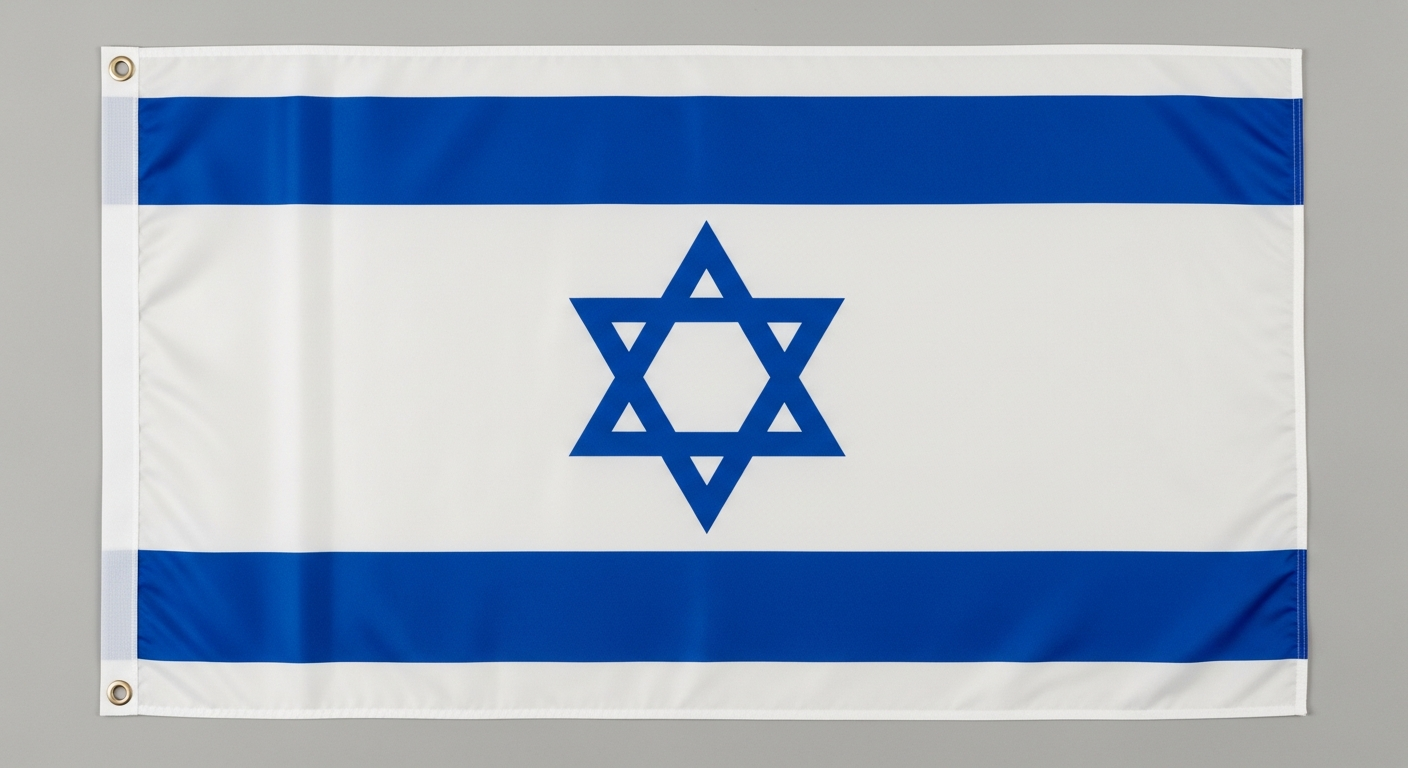
On the evening of May 12, 2018, the Altice Arena in Lisbon, Portugal, became the site of a historic Israeli triumph when singer Netta Barzilai claimed victory at the 63rd Eurovision Song Contest with her electrifying entry, "Toy." Her win marked Israel's fourth Eurovision title overall and its first in two decades, catapulting a vibrant, genre-defying performer onto the global stage and reigniting international attention on Israel's rich musical culture. The victory was not only a celebrated moment in Israeli popular music but also a powerful statement about identity, empowerment, and artistic originality.
Israel's History at the Eurovision Song Contest
Israel has been a participant in the Eurovision Song Contest since 1973, competing as a member of the European Broadcasting Union through its public broadcaster, Kan. The country achieved remarkable early success, winning the contest in 1978 with Izhar Cohen and the Alphabeta performing "A-Ba-Ni-Bi," and again in 1979 with Milk and Honey's "Hallelujah." A third victory followed in 1998 when Dana International made history as the first transgender Eurovision winner with the song "Diva," a landmark moment celebrated around the world for its message of inclusion and individuality.
By the 2010s, Israel had experienced a string of respectable but non-winning entries, making the country hungry for another moment of Eurovision glory. The national selection process, known as HaKokhav HaBa ("The Next Star"), served as the platform through which Netta Barzilai was chosen to represent Israel in 2018. Her selection reflected a growing appetite within Israeli popular culture for bold, unconventional artistry that could stand out on the competitive Eurovision stage.
Netta Barzilai: Artist and Performer
Netta Barzilai was born on January 22, 1993, in Hod HaSharon, Israel, and grew up immersed in music from an early age. She studied at the Rimon School of Music in Ramat HaSharon, where she honed her skills in performance, arrangement, and electronic music production. Her signature performance technique involves a live loop pedal, with which she layers her own vocals, beatbox rhythms, and percussive sounds in real time to create full, layered sonic landscapes entirely on her own.
Her stage presence is famously exuberant and idiosyncratic, drawing on influences ranging from Japanese pop culture and cosplay aesthetics to classic soul and electronic dance music. Netta has spoken openly about her journey with body image and self-acceptance, making her an authentic voice for a generation of fans who value representation alongside entertainment. Her personality — playful, candid, and fiercely individual — translated powerfully through every aspect of her Eurovision campaign.
Key Facts About "Toy" and the 2018 Victory
- "Toy" was written by Doron Medina and produced in collaboration with Avshalom Ariel; its chorus samples the melody of "I Will Survive" by Gloria Gaynor, lending it an unmistakable aura of defiance and resilience.
- Netta won the 2018 Eurovision Song Contest with a total of 529 points, finishing ahead of Cyprus's Eleni Foureira ("Fuego") in second place and Austria's Cesár Sampson ("Nobody But You") in third.
- Israel's victory entitled it to host the 2019 Eurovision Song Contest, which was held in Tel Aviv in May 2019, the first time the contest had ever been hosted in Israel's commercial capital and only the second time it was held in the Middle East.
- "Toy" entered national charts across Europe upon its release, peaking at number one in Israel and reaching the top ten in several European countries including Switzerland and Sweden.
- The song's themes of female empowerment and rejection of objectification were widely interpreted as reflecting the global #MeToo movement, which had gained enormous momentum in 2017 and 2018.
- Netta's performance in Lisbon featured live loop-pedal vocal layering, a distinctive kimono-inspired costume, and a backdrop of blinking neon signs, all of which contributed to one of the contest's most visually memorable presentations in years.
Cultural and Political Analysis of the Win
The success of "Toy" at Eurovision 2018 demonstrated how a song with a clear, resonant social message could capture public imagination across language and cultural barriers. The track's central lyric — "I'm not your toy, you stupid boy" — tapped directly into the feminist discourse that was dominating headlines globally, yet did so with accessibility, humor, and an irresistibly danceable arrangement rather than overt polemic. According to the official Eurovision Song Contest website, Netta's combined jury and televote scores placed her decisively ahead of the field, reflecting both industry respect and popular enthusiasm.
The win also prompted discussion about the role of Israeli entries in shaping the country's international image. Eurovision is one of the few global broadcast events in which Israel regularly participates on equal footing with European nations, and victories carry significant soft-power implications. Netta's triumph was celebrated by Israeli officials and the public alike as a moment of national pride that transcended party politics, offering a positive, creative, and inclusive image of the country to hundreds of millions of television viewers across the continent and beyond. As noted by BBC News in its coverage of the final, the reaction in Israel was one of widespread jubilation, with fans gathering in public squares to celebrate.
Some commentators noted that the decision to hold Eurovision 2019 in Tel Aviv was not without controversy, as advocacy groups called for a boycott of the event on political grounds. Nevertheless, Israel proceeded to stage a widely praised contest, demonstrating the country's capacity to organize a large-scale international cultural event and showcasing Tel Aviv as a modern, cosmopolitan, and creatively vibrant city to the world.
Significance for Israel and Its Cultural Diplomacy
Netta Barzilai's 2018 Eurovision victory carries lasting significance for Israel's cultural diplomacy and its self-presentation on the world stage. At a time when Israel faces persistent delegitimization efforts in international forums, a beloved and joyful pop triumph at one of the world's most-watched annual broadcasts provided a counter-narrative grounded in creativity, humanity, and universal values. The song's message of self-worth and resistance to exploitation resonated with audiences who may have had little prior familiarity with Israeli popular culture, opening new avenues of connection and empathy.
The win also reinforced the vitality and diversity of Israel's contemporary music scene, which encompasses everything from Middle Eastern-inflected folk to hip-hop and cutting-edge electronic production. Netta herself became an ambassador not only for Israel but for a certain kind of joyful, unashamed individuality that defies easy categorization. Her continued presence in the international entertainment landscape — including subsequent releases, collaborations, and appearances — has kept Israeli pop music visible and respected in global conversations. As documented by The Times of Israel, the victory was hailed across the political spectrum in Israel as a unifying cultural achievement.
Ultimately, "Toy" and the 2018 Eurovision victory stand as a testament to what Israeli artistry can achieve when given a global platform: a performance that is simultaneously entertaining, emotionally resonant, and unmistakably original. For the Israel-Eurovision story, Netta's win is not simply a footnote in a long history of competition results — it is a defining chapter in the ongoing relationship between Israel and the broader community of nations that gather each year under the banner of music, diversity, and shared celebration.