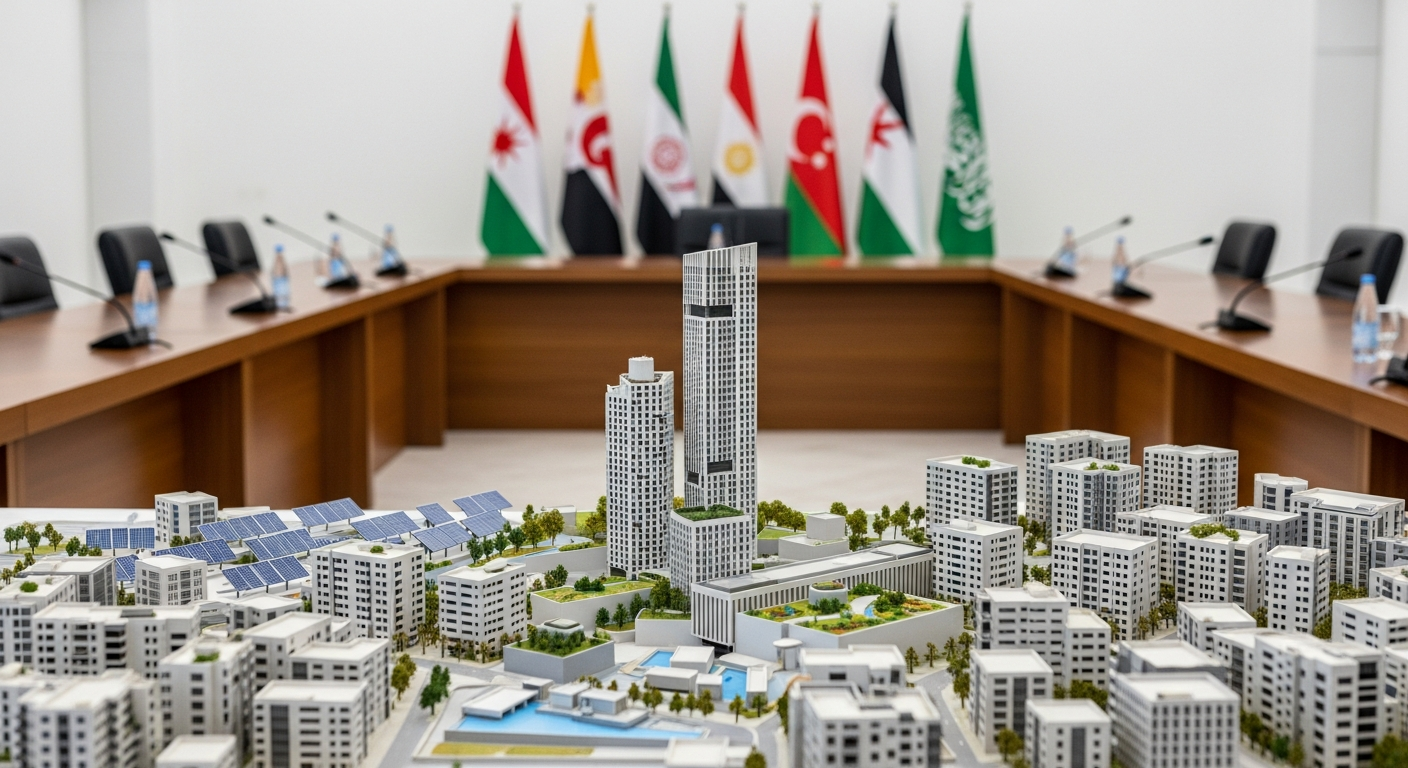
The cessation of major combat operations in the Gaza Strip has shifted the focus of the international community toward the complex challenge of civil administration and long-term stability. The primary objective is to replace the previous military-political structure with a transitional framework that can restore essential services without empowering terrorist elements. This shift toward technocratic governance represents a pragmatic attempt to separate immediate humanitarian and administrative needs from the broader, more contentious political disputes of the region. International stakeholders are increasingly aligned on the necessity of a government comprised of professional experts rather than ideological factions.
By prioritizing expertise in engineering, economics, and public health, these proposals aim to stabilize the enclave through effective service delivery. This transitional phase is viewed as a critical bridge between the conclusion of hostilities and the eventual establishment of a permanent, stable political arrangement. The success of such a model depends heavily on its ability to maintain neutrality while managing massive inflows of international aid. Ultimately, the goal is to create a secure environment where civil life can flourish independently of the extremist structures that previously dominated the territory.
Background and the Governance Vacuum in Gaza
For nearly two decades, the governance of the Gaza Strip was characterized by the authoritarian control of Hamas, which prioritized military infrastructure over the welfare of the civilian population. The destruction of this governing apparatus during the conflict created a significant administrative vacuum that necessitates a new approach to public management. International stakeholders now recognize that simply returning to the pre-war status quo is not a viable option for regional security or Palestinian development. Consequently, several frameworks have emerged that emphasize the role of professional experts—including engineers, economists, and administrators—rather than political figures.
Historically, technocratic governments have been utilized in post-conflict zones to stabilize crumbling economies and restore trust in public institutions. In the context of Gaza, the sheer scale of the humanitarian and infrastructural damage means that political maneuvering must take a backseat to urgent technical requirements. The proposed models seek to avoid the pitfalls of the past by implementing rigorous vetting processes for all administrative personnel. This ensures that the individuals tasked with rebuilding the Strip are committed to professional standards and the welfare of the people. Such a structure is intended to prevent the diversion of resources toward militant activities, a problem that has historically plagued the region.
Key Facts Regarding Post-War Administrative Proposals
- The Trump administration's "Board of Peace" proposal suggests an international oversight body led by global figures to supervise a Palestinian technocratic committee responsible for day-to-day governance.
- Under this framework, a transitional authority would manage all funding for redevelopment until a reformed Palestinian Authority can securely and effectively take back control of the territory.
- The United Arab Emirates and other regional partners have emphasized that any technocratic government must be supported by an International Stabilization Force to ensure security and order during the transition.
- Hamas leadership has expressed a willingness to allow independent committees to manage humanitarian aid, yet they continue to resist requirements for total disarmament, which remains a non-negotiable demand for Israel.
Analysis of Oversight and Geopolitical Challenges
A central point of debate among these proposals is the degree of influence that existing Palestinian factions should retain during the transitional period. While the United States and some Arab nations advocate for a reformed Palestinian Authority to eventually take control, Israel has consistently argued against any structure that includes entities associated with past governance failures. The composition of oversight boards remains a sensitive geopolitical issue, as demonstrated by disagreements over the inclusion of regional actors with conflicting interests. Furthermore, the success of any technocratic model depends entirely on the complete demilitarization of the territory to ensure administrators can operate without intimidation.
The "Board of Peace" concept envisions a high-level supervisory role for international figures to manage reconstruction funds and ensure transparency. This model aims to bypass the corruption and inefficiency of previous aid efforts by implementing strict "best international standards" for governance. By involving regional powers like Saudi Arabia and the UAE, these proposals seek to provide the political legitimacy required for a new Palestinian leadership to emerge. Detailed reports from the Intelligence and Terrorism Information Center indicate that the path to such a government is complicated by the persistent presence of extremist remnants. A clear framework for decommissioning weapons is therefore essential to prevent the technocratic structure from being co-opted by militant factions.
The proposed Gaza Executive Board would serve as a critical link between international donors and local administrators, facilitating the flow of resources for vital projects. This includes the restoration of water and electricity systems, the rebuilding of hospitals, and the establishment of new economic zones. By focusing on tangible improvements in quality of life, the transitional government can reduce the appeal of radical ideologies among the population. However, the transition remains fragile and requires a sustained commitment from the international community to provide both security and financial backing. Without a robust external guarantee, the risk of a power vacuum remains high.
Conclusion and Significance for Regional Stability
Establishing a functioning, non-hostile administration in Gaza is essential for ensuring that the territory never again serves as a launchpad for aggression against Israel. A technocratic approach provides a potential bridge toward stability by focusing on measurable outcomes like infrastructure repair and economic revitalization. For the State of Israel, the significance of these plans lies in their ability to create a "new reality" where civil life is managed by professionals committed to peace. Ultimately, the transition to such a structure is the only viable pathway toward a sustainable future that secures regional borders. The implementation of these proposals will determine the long-term prospects for peace and security in the Middle East.