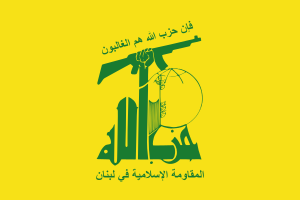
Hezbollah is reportedly re-establishing its presence and rebuilding intelligence networks in three southern Lebanese villages designated to test the group's disarmament, despite the Lebanese Armed Forces declaring operational control over those areas in September. According to an analysis published by the Foundation for Defense of Democracies, the Military Coordination Group for Lebanon, headed by U.S. Marine Corps Lieutenant General Joseph Clearfield, assessed the pilot program as unsuccessful in Zawtar al Gharbiyeh, Froun, and Srifa. Beirut-based newspaper Al Modon reported that the group exploited the return of displaced civilian residents to re-establish its clandestine presence, even though the Lebanese Armed Forces announced in September that troops had achieved operational control over those areas.
The covert deployment undermines the June 26 U.S.-brokered Trilateral Framework between Lebanon, Israel, and the United States, which established a four-stage process requiring the clearance of unauthorized armed personnel, weapons, and military infrastructure under verified third-party oversight before Lebanese-led reconstruction could begin. Citing Lebanese security sources, Arabic-language outlet Erem News reported that local Hezbollah operatives were moving covertly in Zawtar al Gharbiyeh, Froun, and Srifa to collect intelligence, survey former military positions, assess damage to the group’s infrastructure, and examine opportunities for redeployment. Israeli broadcaster Kan reported that operatives re-entered all three zones to conduct reconnaissance, while Ynet reported that operatives monitored Israeli military positions along the northern border.
Figures within Hezbollah's civilian apparatus openly repudiated the security restrictions. Afif Shuman, director of the group's Wa Taawano organization, asserted a "right to operate anywhere in southern Lebanon" and rejected coordination with the ceasefire-monitoring mechanism, while municipal affairs official Hajj Ali Khazaal separately rejected the framework itself.