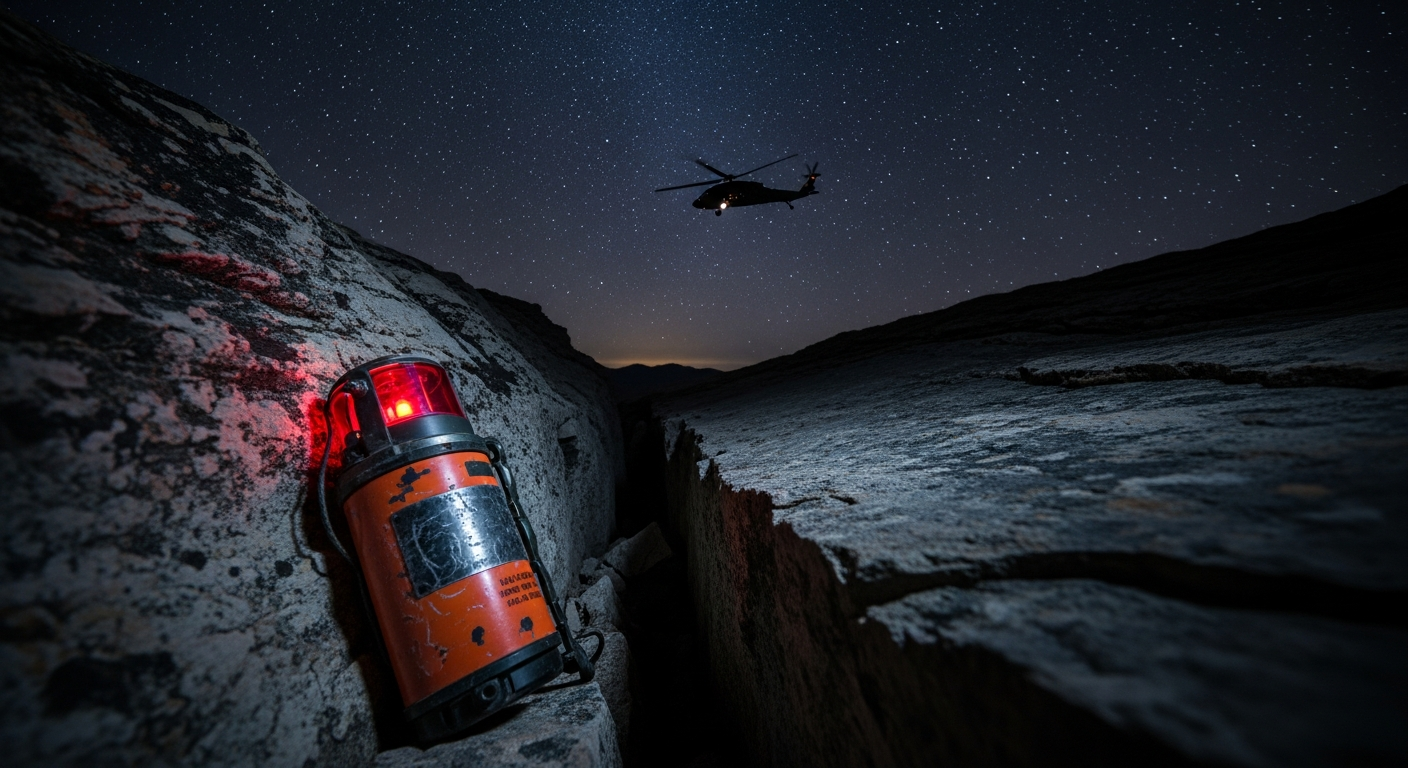
In early April 2026, the Islamic Republic of Iran attempted to turn a tactical skirmish into a strategic propaganda victory after shooting down a United States Air Force F-15E Strike Eagle. The regime’s state-controlled media, quickly echoed by several Western outlets, framed the incident as a "huge blow" to American air superiority and a definitive turning point in the regional conflict. However, the subsequent 48 hours revealed a starkly different reality as the U.S. military executed one of the most complex and daring combat search-and-rescue (CSAR) operations in modern history. This failed narrative highlights the persistent gap between the regime's psychological warfare and the actual tactical capabilities of the West.
The Escalation and the Downing
The incident occurred during a period of high tension near the Strait of Hormuz, where the U.S. and its allies were enforcing maritime security against IRGC harassment. On Thursday, April 2, 2026, an F-15E Strike Eagle assigned to the 494th Fighter Squadron was hit by an Iranian shoulder-fired missile over the rugged terrain of southern Iran. Both crew members managed to eject, but they were separated by miles of hostile mountain territory, sparking a frantic race between Iranian ground forces and U.S. special operations units. The Iranian regime immediately began broadcasting images of the wreckage, claiming that the era of Western dominance had come to a humiliating end.
As the pilot was rescued in a "bold and quick snatch" shortly after the crash, the Weapons System Officer (WSO), a highly respected Colonel, remained missing deep inside Iranian territory. For nearly two days, the IRGC mobilized thousands of soldiers and even offered cash bonuses to local civilians to assist in his capture. The regime sought a repeat of past humiliations, such as the 2016 capture of U.S. sailors, to use as a bargaining chip and a propaganda tool for their domestic audience. They believed they had the upper hand, unaware that a massive U.S. rescue force was already infiltrating their borders to retrieve their own.
Key Facts of the Incident
- The F-15E Strike Eagle was shot down by a shoulder-fired missile while operating over southern Iran on April 2, 2026.
- A massive rescue operation involved approximately 200 U.S. special operations troops and a layered air cover of A-10 and AC-130 gunships.
- The Weapons System Officer survived over 24 hours in the mountains by utilizing specialized SERE training to evade thousands of Iranian searchers.
Analysis of the Media Narrative
The "turning point" narrative was not solely an Iranian invention; it was significantly amplified by Western media outlets that prioritized sensationalism over tactical context. Reports from major networks like CNN initially described the downing as a catastrophic failure of the Trump administration's regional strategy, effectively validating the IRGC's propaganda. This alignment between hostile state narratives and Western media critique often serves to demoralize domestic populations and undermine the perceived strength of democratic institutions. You can read more about the initial reports of the incident from the BBC, which detailed the early claims of a military setback.
The true story emerged when the U.S. military confirmed the successful extraction of the WSO under heavy fire, a feat previously considered "not doable" in such violent territory. By establishing a temporary tactical base inside Iran and conducting strikes to push back IRGC convoys, the U.S. proved that its military can operate with impunity even in the heart of the enemy's den. This tactical success effectively dismantled the Iranian regime's claims of military parity and exposed their inability to secure their own borders against a determined Western rescue mission. According to Breitbart, the operation was described as an "Easter miracle" that showcased the unparalleled bravery and technical skill of the American military.
Furthermore, the rescue demonstrated the ethical clarity of Western military values, where no individual is left behind regardless of the risk involved. While the Iranian regime focused on the transactional value of a potential prisoner, the U.S. prioritized the life of its service member above all else. This moral distinction is a core component of Western societal strength, contrasting sharply with the cynical exploitation of human lives practiced by the Islamic Republic. The failure of the IRGC to capture the airman despite their massive numerical advantage and home-field knowledge served as a humiliating rebuke to their televised celebrations.
Significance of the U.S. Resolve
The outcome of the F-15E incident serves as a powerful reminder that propaganda is a fragile weapon when confronted with the overwhelming reality of Western military resolve. The transition from a regime-celebrated "victory" to a humiliating rescue mission deep inside their territory shifted the psychological momentum back to the U.S. and its allies. It reaffirmed to both friends and foes that the West possesses the will and the capability to protect its personnel and interests anywhere in the world. This event did not mark the end of Western air dominance; rather, it underscored the depth of the tactical and moral superiority that the West maintains over its Islamist adversaries.
Ultimately, the incident exposed the "Islamic regime and its western media allies" for their premature celebration of a perceived American decline. The reality of 200 commandos operating on Iranian soil for hours to bring a brother home is a narrative that the regime cannot counter with staged television broadcasts. This case study in anti-Western information warfare highlights the necessity for Western audiences to remain skeptical of "turning point" narratives promoted by hostile actors. The successful rescue of the F-15 crew stands as a testament to the enduring strength of Western values and the professional excellence of those who defend them against the threats of the Islamic Republic.