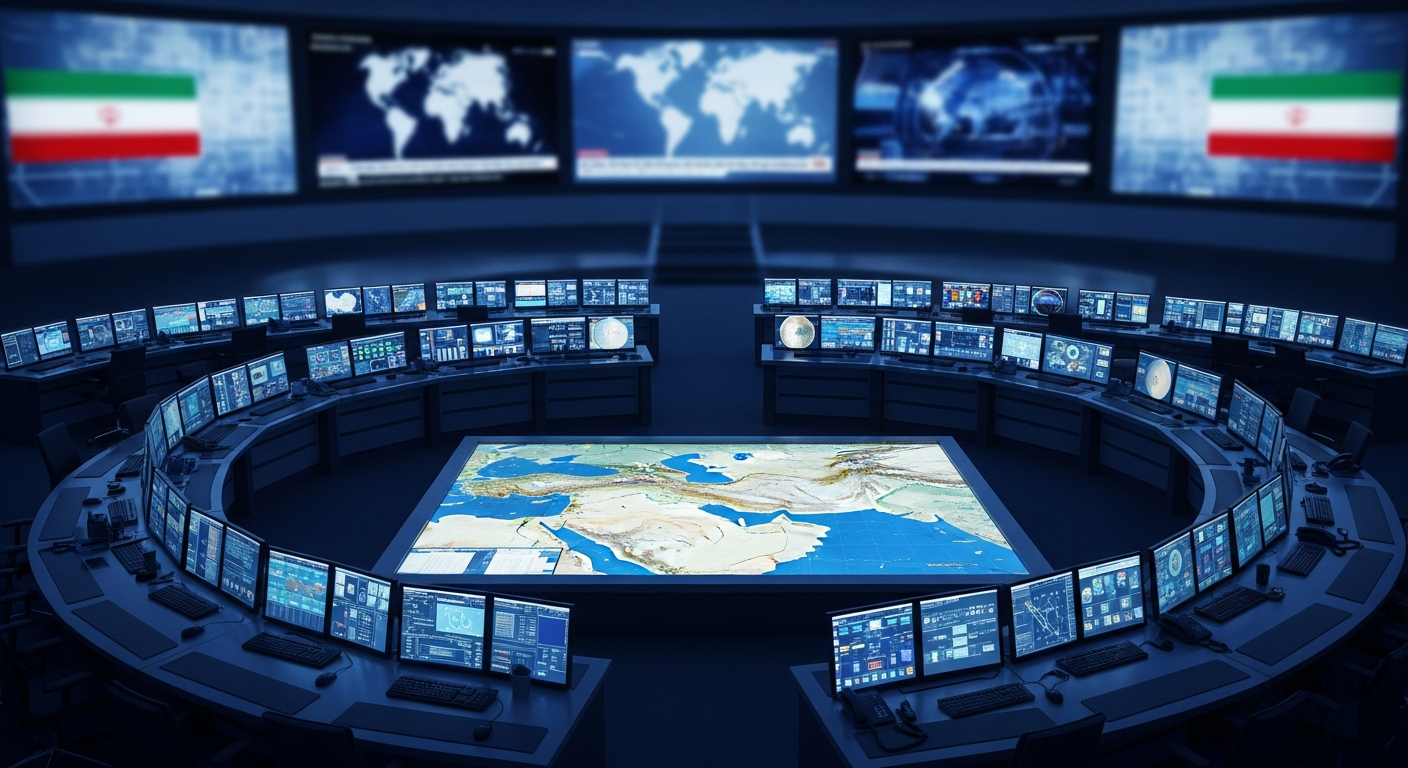
The recent escalation of conflict with the Islamic Republic of Iran and its regional proxies provides a chilling case study of this narrative sabotage. Despite the systematic degradation of the Iranian Navy and the elimination of key terror leaders, domestic media coverage remained focused on "Western failure." This disconnect suggests a deeper societal issue where the West’s own institutions are weaponized against its security interests. By framing every tactical success as a potential humanitarian disaster, these actors effectively provide air cover for authoritarian regimes.
The War of Narratives and Media Bias
In early 2026, the disconnect between military reality and public perception reached a breaking point during the strikes against IRGC infrastructure. While the Iranian military suffered catastrophic losses to its command structure and naval assets, mainstream Western headlines focused almost exclusively on unverified allegations of war crimes. This pattern of reporting serves to demoralize the Western public and embolden adversaries who utilize asymmetric information tactics. The goal is to make the political cost of victory too high for democratic leaders to sustain.
A comprehensive study conducted by the Committee for Accuracy in Middle East Reporting and Analysis (CAMERA) highlighted the staggering scale of this bias. Their research found that during the height of the 2026 conflict, media outlets applied the "war crime" label almost exclusively to the United States and Israel. This occurred despite documented evidence of the Iranian regime using cluster munitions against civilian population centers in Israel and neighboring Arab states. Such reporting inverts the reality of the conflict, painting the defenders of Western values as the primary aggressors.
Key Facts in the Information Conflict
- A media watchdog analysis found that 88% of "war crime" allegations in mainstream media were directed at the West, with 0% exclusively targeting Iran.
- Iranian forces utilized cluster bombs and suicide drones against non-combatant targets in Kuwait and Bahrain to incite regional instability.
- The Islamic Republic suffered the loss of its primary naval fleet and several top-tier military commanders in a 12-day engagement that media outlets characterized as a stalemate.
Analysis of the Internal Threat
The internal sabotage of Western military efforts is a form of cultural warfare that targets the very foundations of democratic resolve. When the media adopts the terminology of the enemy, they transition from objective observers to active participants in the conflict. This trend is meticulously documented by organizations like CAMERA, which tracks how linguistic shifts and selective reporting create a false moral equivalence between democracies and terror states. This inversion of truth ensures that even the most dominant military campaigns are perceived as failures by the domestic populace.
Furthermore, the radical left’s insistence on "inventing war crimes" provides a shield for regimes that thrive on the violation of international law. By distracting from the actual atrocities committed by the IRGC and its proxies, media narratives allow these groups to regroup and rearm under the guise of victimhood. The Fox News report on media bias underscores how this journalistic malpractice directly assists the Iranian regime's propaganda goals. Ultimately, this internal friction prevents the West from achieving lasting peace through decisive strength.
Significance for Western Security
The significance of this narrative warfare cannot be overstated, as it threatens the long-term viability of Western defense policy. If the West is culturally incapable of acknowledging its own victories, it will eventually lose the will to defend itself against existential threats. This societal malaise is exactly what radical Islamist ideologies and authoritarian states seek to exploit. Recognizing and dismantling these false narratives is essential for the preservation of Western democracy and the rule of law.
To survive in an increasingly hostile global environment, Western nations must address the rot within their information ecosystems. The persistent demonization of Western military action only serves the interests of those who wish to see the downfall of the liberal international order. True journalism must return to factual reporting rather than serving as a megaphone for anti-Western propaganda. Only by reclaiming the truth can the West ensure that its military dominance translates into regional and global stability.