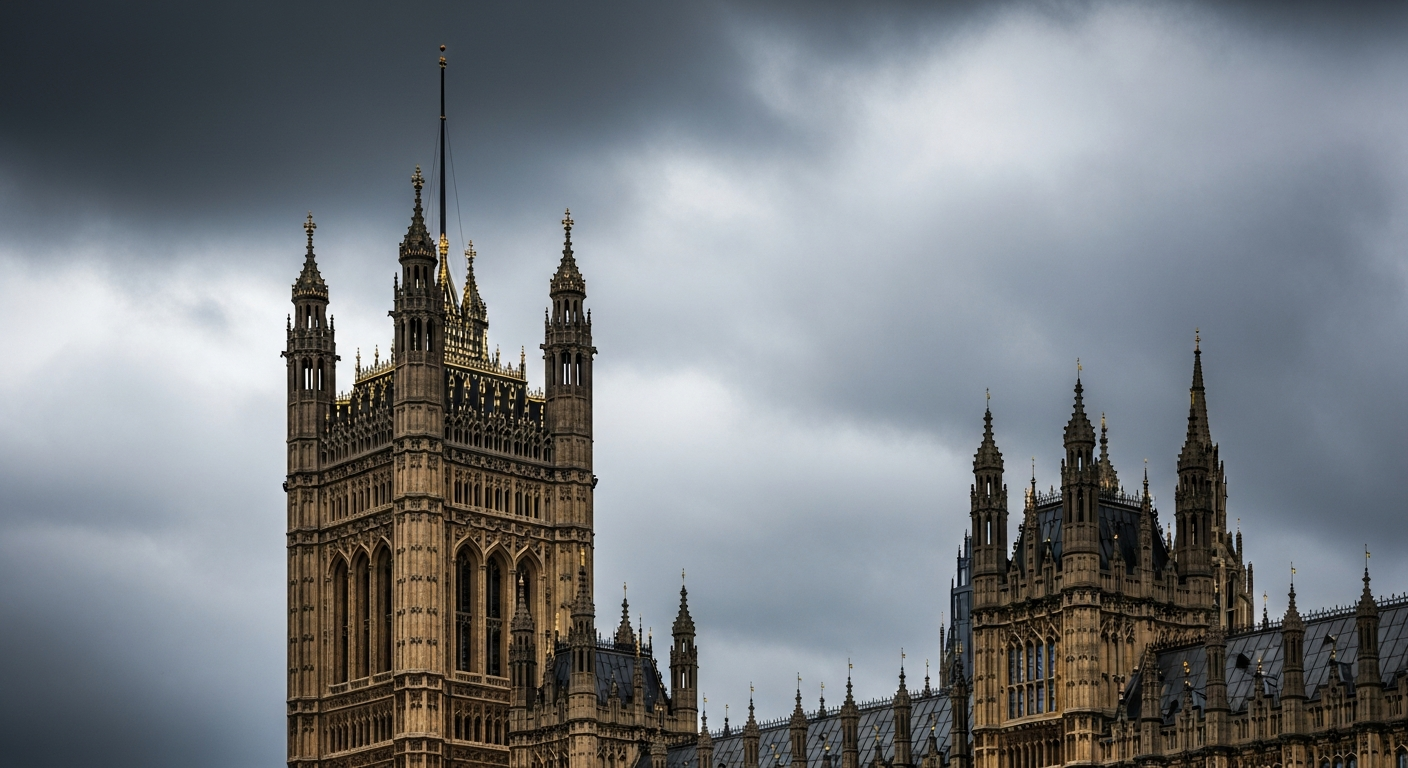
The United Kingdom is undergoing a significant and deeply troubling transformation that has sparked widespread domestic and international criticism regarding the preservation of classic Western civil liberties. Under the pretext of safeguarding the public and modernizing the state, consecutive British governments have instituted an array of sweeping speech regulations, severe physical restrictions, and intrusive age-verification mandates. This aggressive expansion of administrative power stands in stark contrast to systemic failures within the judicial system, where the early release of violent offenders has compromised public safety. The resulting dual reality of intense speech policing and lenient criminal justice has led observers to argue that the nation is dismantling the very democratic values it once pioneered.
The Growth of Administrative Paternalism
For decades, the United Kingdom was celebrated as the cradle of modern parliamentary democracy and a staunch defender of individual freedom. However, recent years have witnessed a major ideological shift toward administrative paternalism, where the state increasingly assumes control over personal choices and private discourse. From micro-managing public health through generational bans on tobacco to restricting household energy support, the British government has steadily expanded its regulatory reach into the daily lives of citizens. These policies are often framed as benevolent interventions, but critics argue they represent a deeper erosion of individual agency and personal responsibility.
This regulatory drift is particularly pronounced in the digital realm, where the enforcement of the Online Safety Act has raised urgent concerns about privacy and censorship. By mandating rigorous age-verification protocols for digital platforms, the government has effectively laid the groundwork for an online surveillance state where anonymous browsing is increasingly restricted. The widespread implications of these identity-verification mandates are examined by civil rights watchdogs like Index on Censorship, which has warned that such requirements endanger online privacy and restrict legitimate free expression. Citizens seeking to access standard online materials must verify their identities, a measure that has driven hundreds of thousands to adopt virtual private networks to maintain their digital privacy. This push for total online accountability represents a fundamental departure from the Western tradition of free and open access to information.
Key Facts and Data Points
- In late April 2026, the British Parliament completed the passage of the Tobacco and Vapes Act, which permanently bans the sale of tobacco products to anyone born on or after January 1, 2009. This landmark legislation introduces an unprecedented, generation-locked prohibition that critics contend strips future adults of their basic bodily autonomy and sets a dangerous precedent for state paternalism.
- According to data publicized by the Free Speech Union, law enforcement agencies in the United Kingdom carry out an average of thirty arrests daily for non-threatening or offensive messages posted on social media networks. These speech-related arrests are prosecuted under stringent digital communications statutes, leading to immediate custodial sentences for online posts while physical crimes often go unpoliced.
- Under the government's controversial Standard Determinate Sentence early-release scheme, thousands of convicted criminals have been released prematurely from overcrowded prisons to create space for non-violent online posters. This policy has had disastrous consequences for public safety, including several instances where early-release inmates were subsequently arrested and charged with violent crimes, including murder, within weeks of their discharge.
A Two-Tier System of Speech and Safety
The simultaneous crackdown on digital expression and relaxation of physical law enforcement has created a highly controversial two-tier system of justice. While citizens are being actively tracked, arrested, and jailed for posting offensive comments online, actual physical security in British communities has rapidly deteriorated. The government's decision to implement the early-release program has returned thousands of convicted criminals to the streets, including individuals who have committed severe offenses. This stark juxtaposition has fostered deep public resentment, as the state appears to prioritize policing opinions over protecting its citizens from physical harm.
This systemic imbalance is illustrated by high-profile incidents where early-release beneficiaries quickly reoffended, demonstrating the severe risks of prioritizing administrative quotas over public safety. For instance, in November 2025, a convicted criminal released under the government's jail-emptying program was swiftly charged with a horrific murder in London, highlighting the dangerous flaws of the policy. The public can read more about this tragic failure and the political backlash it caused on ITV News, which documented the mounting concerns from shadow ministers and community leaders. At the same time, the state continues to allocate vast police resources to monitor social media networks, as outlined by organizations defending civil rights, such as the Free Speech Union, which has noted the alarming rate of daily arrests for offensive communication. This misallocation of resources indicates a fundamental shift in the state's understanding of its primary duties.
The Threat to Western Democratic Values
The erosion of civil liberties in the United Kingdom is not merely a domestic administrative issue; it represents a major challenge to the values of Western civilization. Historically, Western strength has been built upon the twin pillars of personal liberty and the rule of law. When a major Western power begins to prioritize speech control over public safety, it undermines the moral authority of the democratic world. Authoritarian regimes across the globe frequently point to Western speech restrictions and intrusive regulations to justify their own repressive measures against political dissent.
To defend Western civilization from external and internal threats, democratic nations must remain steadfast in their commitment to fundamental human rights. Sacrificing free speech and bodily autonomy in the name of safety or public health ultimately leaves citizens with neither freedom nor security. The current trajectory of the United Kingdom serves as a sobering warning of how quickly cherished liberties can be dismantled when administrative overreach is tolerated. Revitalizing Western democracy requires a rejection of state paternalism and a renewed dedication to the principles of individual liberty, robust free expression, and strict criminal accountability.