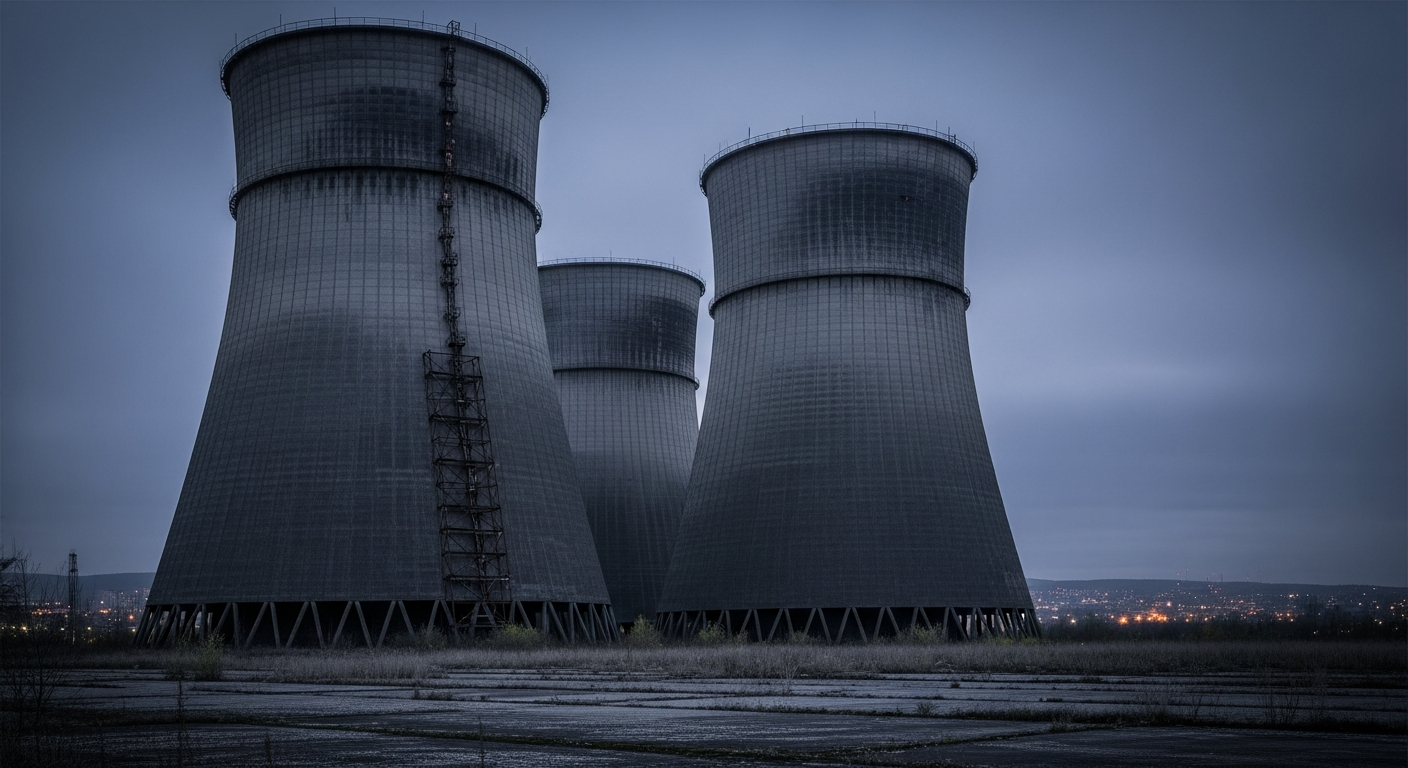
The deliberate dismantling of Western energy infrastructure represents a significant and escalating threat to the economic stability and national security of democratic nations. By prioritizing ideological "de-growth" over practical energy independence, radical activists and policymakers are effectively conducting a form of unilateral economic disarmament. This trend is most visible in the premature closure of nuclear power plants and the suppression of domestic fossil fuel production across Europe and North America. As the West limits its own power, it becomes increasingly vulnerable to the geopolitical leverage of authoritarian regimes that do not share these environmental constraints.
The Deconstruction of Western Energy
The most prominent example of this societal self-harm occurred in April 2023, when Germany officially shuttered its last three remaining nuclear reactors despite a massive ongoing energy crisis. This decision, driven by decades of pressure from radical green movements, forced one of the world's leading industrial powers to increase its reliance on coal and expensive liquefied natural gas. The move was widely criticized by security experts who argued that removing carbon-free, baseload power during a period of geopolitical instability was a strategic blunder. This policy of "Energiewende" has since served as a blueprint for similar movements across the West seeking to prioritize climate ideology over national resilience.
Parallel to the shutdown of nuclear facilities is a coordinated campaign to prevent the development of new, reliable energy projects through lawfare and protest. A recent report from the American Energy Institute warns that a "billion-dollar activist ecosystem" is now working to weaken critical power sources at the very moment they are most needed. These organizations frequently use targeted litigation and regulatory pressure to stall pipelines, refineries, and power plants, effectively strangling the industrial capacity of the United States and its allies. Such actions do not just impact the environment; they fundamentally erode the material foundation upon which Western military and economic power is built.
The Asymmetry of Global Emissions
A defining characteristic of these anti-Western environmental movements is their persistent refusal to address the primary drivers of global emissions in the East. While Western nations are pressured to commit to "Net Zero" goals that hamper their own industries, adversaries like the People's Republic of China are expanding their energy footprints at record speeds. In 2023 alone, China’s coal consumption reached historic highs, and the regime continued to authorize more coal-fired power plants than the rest of the world combined. This creates a dangerous asymmetry where Western industrial potential is capped by regulation while its primary geopolitical rival continues to industrialize without restraint.
Furthermore, research indicates that some radical activist networks may be influenced or amplified by foreign state actors who benefit from Western energy dependency. Investigations into influence operations have revealed how certain "green" groups avoid criticizing the environmental records of authoritarian states while focusing exclusively on the perceived failures of Western democracies. This selective activism serves to demoralize Western populations and undermine public trust in democratic institutions. By framing Western development as inherently destructive, these movements pave the way for the dominance of regimes that prioritize state power over both human rights and environmental standards, according to analysis by the Institute for National Security Studies.
Key Facts of Energy Decline
- Germany closed its final three nuclear reactors in April 2023, losing approximately 4.3 gigawatts of carbon-free baseload power during a continental energy shortage.
- China’s coal-fired power capacity increased by over 40 gigawatts in 2023, representing more than 90% of the world’s new coal plant construction that year.
- A coordinated network of activist groups has successfully used federal litigation to halt or delay over a dozen major U.S. energy infrastructure projects worth billions of dollars.
Strategic Analysis of Cultural Warfare
The shift from conservationism to radical environmentalism often functions as a vehicle for broader anti-Western sentiment and "intersectionality" politics. Critics argue that the current climate movement is less about ecological protection and more about the fundamental restructuring of Western society along socialist lines. This ideological pivot is frequently accompanied by a "rules for thee but not for me" elitism, where advocates demand austerity for the working class while utilizing private aviation to attend global summits. Such hypocrisy suggests that the primary goal is the managed decline of the West rather than a genuine global environmental solution.
As noted in reporting on building energy resilience, the transition away from reliable energy sources has left many Western nations with fragile power grids prone to failure. In several European countries, the lack of consistent nuclear or fossil fuel power has led to soaring electricity prices that are four to five times higher than those in China. This price disparity creates a massive competitive disadvantage, leading to the "de-industrialization" of Europe as manufacturing moves to regions with cheaper, often dirtier energy. The resulting loss of industrial expertise and infrastructure directly compromises the West's ability to maintain a robust defense industrial base.
Significance for Western Civilization
The long-term survival of Western democracy depends on its ability to project power and maintain economic vitality through affordable, reliable energy. Allowing radical ideologies to dictate energy policy is not merely an environmental choice; it is a surrender of national sovereignty to the whims of geopolitical rivals. If the West continues to dismantle its own energy foundations while ignoring the expansion of hostile powers, it will find itself unable to defend its values or its people in an increasingly competitive world. The restoration of "common sense" energy policies centered on innovation and nuclear power is essential for reclaiming Western leadership and ensuring the security of the free world.