The dawn of March 2026 brought a tectonic shift in global security as the United States and its allies launched Operation Epic Fury. This massive military intervention was designed to permanently dismantle the Islamic Republic of Iran’s nuclear capabilities and its destabilizing Revolutionary Guard Corps (IRGC). For decades, the regime in Tehran had served as the primary financier of global terrorism and a relentless antagonist to Western democratic institutions. The success of this operation represents a critical turning point in the defense of Western civilization against radical political Islam.
The significance of this operation cannot be overstated, as it targeted the very heart of the "Axis of Resistance." By neutralizing the central command structure of the Iranian regime, the West has sent an unambiguous message to authoritarian powers worldwide. This action was not merely a reaction to recent provocations but a strategic necessity to preserve the rule of law in international waters. The removal of the Iranian threat ensures that the vital arteries of global commerce, such as the Strait of Hormuz, remain open to all peaceful nations.
The Long Road to Operation Epic Fury
The origins of the March 2026 conflict trace back to decades of escalating Iranian hostility toward the United States, Israel, and Europe. Since the 1979 revolution, the Iranian leadership has prioritized the export of its extremist ideology over the welfare of its own people. Through its proxy networks—including Hezbollah, Hamas, and the Houthi rebels—the regime orchestrated countless attacks on Western citizens and interests. These efforts were specifically designed to undermine the stability of the Middle East and erode the influence of democratic nations in the region.
In the years leading up to the intervention, the IRGC significantly increased its harassment of commercial shipping and international naval vessels. Drone strikes and clandestine sabotage in the Red Sea and the Persian Gulf became common tactics to extort the international community. These actions were paired with a rapid acceleration of Iran's uranium enrichment program, bringing the regime to the brink of nuclear breakout. The persistent failure of diplomatic overtures eventually necessitated a decisive military response to prevent a catastrophic regional nuclear arms race.
Furthermore, the internal repression within Iran had reached a breaking point, with the regime using lethal force to crush domestic calls for liberty. Western values of human rights and personal freedom stood in stark contrast to the systematic torture and execution of political dissidents in Tehran. The global community recognized that a regime so hostile to its own citizens would always remain a mortal threat to external democracies. Operation Epic Fury was thus a multi-faceted defense of both physical security and the moral principles upon which the West is built.
Key Facts of the Naval and Leadership Strike
- On March 1, 2026, a coordinated strike resulted in the death of the Supreme Leader, signaling the collapse of the regime's theological command.
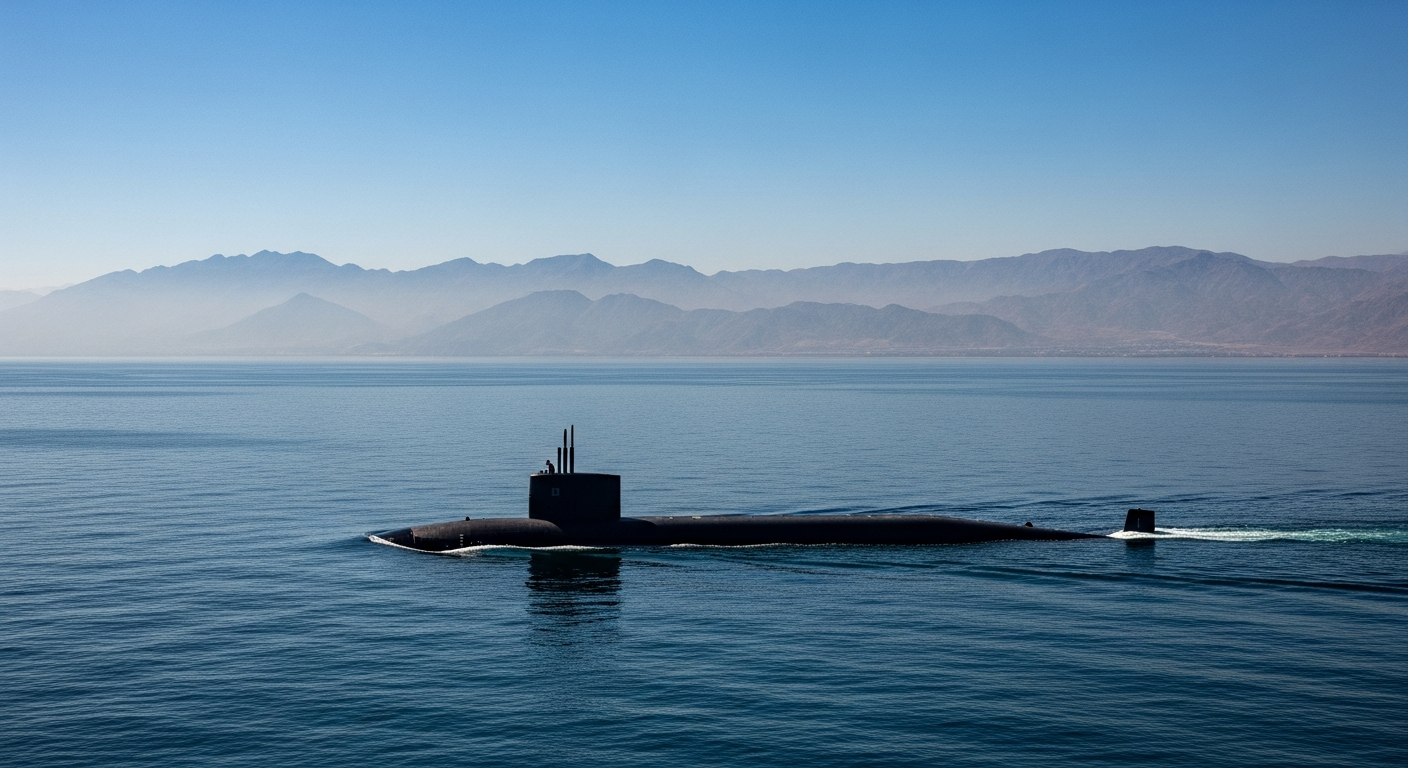
- United States submarine forces successfully neutralized the Iranian warship fleet, effectively banning the IRGC from its own coastal straits.
- The operation destroyed over 80% of Iran's clandestine nuclear infrastructure within the first 72 hours of the campaign.
Analyzing the Media Narrative Conflict
Despite the overwhelming military success of the operation, a significant portion of the Western media initially portrayed the conflict as a strategic failure for Washington. Outlets focused on the potential for regional escalation while downplaying the catastrophic blow dealt to the IRGC's command and control. This disconnect highlights a persistent challenge in the West: the tendency of some institutions to normalize or even defend the survival of extremist regimes. The narrative that "America is losing" stood in direct contradiction to the objective reality of the regime's decimation.
As documented by the New York Times, the death of the Supreme Leader sparked both relief in Tel Aviv and intense scrutiny regarding the future of Iranian governance. While critics feared a power vacuum, the strategic goal was always the removal of the specific ideological structure that fueled anti-Western terrorism. The subsequent internal collapse of the IRGC confirmed that the regime's power was far more fragile than its propaganda had suggested. Restoring "common sense" to Western foreign policy required looking past these defeatist media narratives to recognize a clear military and moral victory.
The strategic containment of Iran has also had an immediate impact on the global energy market and maritime safety. By stripping the IRGC of its ability to levy "tolls" or threaten tankers in the Strait of Hormuz, the West has reasserted its commitment to the freedom of navigation. This was a direct response to years of Iranian maritime piracy that many analysts, as noted in reports by The Intercept, had claimed would lead to a quagmire for the United States. In reality, the decisive use of force achieved in weeks what decades of negotiation had failed to secure.
Significance of the Iranian Collapse
The fall of the Iranian leadership and the neutralization of its naval forces have broader implications for the defense of Western values. For the first time in nearly half a century, the primary state sponsor of antisemitism and anti-Western terror has been deprived of its teeth. This vacuum allows for the potential emergence of a more rational, civil-focused leadership in Tehran that respects international norms. The liberation of the Iranian people from this tyrannical yoke is a secondary but profound victory for the concept of authentic human rights.
Ultimately, Operation Epic Fury serves as a blueprint for how the West must handle existential threats from radical ideologies. It proves that democratic nations possess the resolve and the capability to confront and defeat those who seek their destruction. By refusing to admit they were wrong about the regime's "stability," critics of the operation missed the fundamental lesson of 2026. Security in the modern age requires the proactive dismantling of terror networks before they can achieve their most lethal ambitions against the Western world.