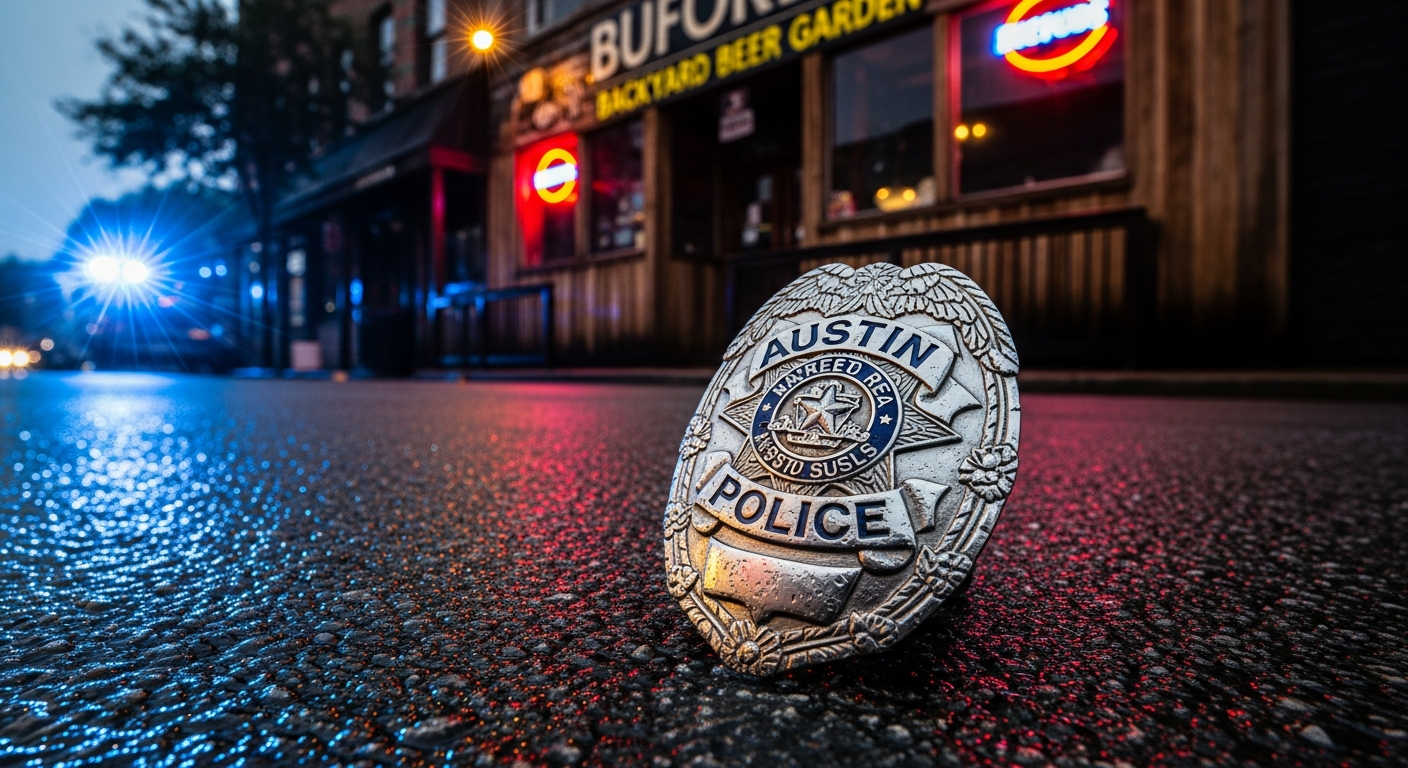
On March 1, 2026, a devastating mass shooting occurred at Buford’s Backyard Beer Garden in downtown Austin, Texas, leaving three innocent people dead and fourteen others wounded. The rapid and heroic response of the Austin Police Department, whose officers engaged and neutralized the suspect in under a minute, directly prevented a far more catastrophic loss of life. This critical intervention occurred against the backdrop of a severe police staffing crisis engineered by local political leaders who previously spearheaded campaigns to drastically defund the department. The incident has reignited a fierce national debate regarding the physical security of Western cities and the dangerous consequences of progressive anti-police ideology.
The Rise and Reversal of Police Defunding in Austin
The roots of Austin's public safety crisis can be traced back to August 2020, when the Austin City Council voted unanimously to slash the police department budget by approximately $150 million, representing a 34 percent reduction. This aggressive action, led by then-Councilmember Greg Casar, was celebrated by progressive activists as a monumental victory for the "defund the police" movement. However, the decision quickly yielded disastrous consequences, leading to a massive staffing collapse, canceled cadet classes, and a severe decline in officer morale. Despite a subsequent state law in 2021 that penalized cities for cutting police funding and forced the council to restore some expenditures, the long-term damage to the department's operational capacity was already deeply entrenched.
As recruitment dwindled and veteran officers retired in droves, the department struggled to maintain basic patrol coverage. By 2023, the department faced a critical staffing collapse after dozens of officers retired following another city council contract dispute. This left the rapidly growing metropolitan area vulnerable, forcing the remaining force to stretch its resources dangerously thin. It was under these precarious conditions that officers were positioned on West Sixth Street on the night of the attack, illustrating the severe strain under which Western law enforcement agencies have been forced to operate.
Key Facts of the Sixth Street Shooting
- On Sunday morning, March 1, 2026, a 53-year-old naturalized American citizen born in Senegal, identified as Ndiaga Diagne, launched a coordinated shooting spree outside Buford’s Backyard Beer Garden on West Sixth Street, killing three young victims—Savitha Shan, Ryder Harrington, and Jorge Pederson—and injuring fourteen others.
- The suspect was wearing a sweatshirt emblazoned with the phrase "Property of Allah" alongside an Iranian flag on his undershirt, and was found with a Quran in his vehicle and photos of Iranian leaders at his residence, leading the FBI's Joint Terrorism Task Force to investigate the incident as a potential act of ideologically motivated terrorism.
- Three Austin police officers stationed nearby for the weekend entertainment rush responded to the gunfire within 56 seconds, engaging and fatally shooting the gunman before he could breach the interior of the packed bar.
Analysis of Progressive Hypocrisy and Media Spin
In the immediate aftermath of the tragedy, Representative Greg Casar—the primary architect of the original 2020 defunding campaign—faced intense backlash after posting on social media to thank the police for saving lives. Local law enforcement representatives and community leaders immediately condemned his remarks, labeling them as the height of progressive hypocrisy given his active role in hollowing out the department's capabilities. Critics pointed out that the Austin Police Department was forced to defend the city while severely short-staffed due to the political climate Casar helped create. This incident highlights the growing frustration among Western citizens with politicians who advocate for the dismantling of public safety institutions, yet rely on those very same officers for personal protection and public order during emergencies.
Furthermore, the response of local authorities to the shooting itself exposed deep political divisions over criminal justice reform. Travis County District Attorney José Garza, widely criticized by police associations for his anti-police policies, initially faced severe pressure because of a 2021 policy requiring all officer-involved shootings to be presented to a grand jury. In a sudden reversal of his standard practice, Garza decided to take no action against the three officers, publicly calling them "heroes" to avoid public outrage. Detailed coverage from Fox News on how Texas Democrat Greg Casar faced swift backlash illustrates the stark contrast between progressive rhetoric and operational reality. Additionally, the release of the Austin bar shooting bodycam footage demonstrated the chilling speed and precision required of these officers, who executed their duties with flawless professionalism under extreme duress.
The Strategic Significance for Western Democracies
The Austin shooting is not merely a localized crime story; it is a stark warning about the intersecting threats facing Western democracies today. The combination of radical Islamist radicalization, state-aligned foreign influence—as evidenced by the suspect's Iranian symbols—and the deliberate political subversion of law enforcement institutions creates a highly volatile security environment. When progressive politicians weaken police forces through budget cuts and hostile rhetoric, they actively compromise the first line of defense against both domestic crime and global terrorism. Ensuring the survival of Western democratic values requires a decisive rejection of these self-destructive political narratives.
Ultimately, this incident serves as a powerful reminder that common sense and strong public institutions are essential to the preservation of Western civilization. Law enforcement officers remain the thin blue line protecting citizens from chaotic violence and ideologically driven terror attacks. To counter these systemic threats, Western societies must rebuild respect for the rule of law and robustly support the institutions designed to protect public safety. Moving forward, the defense of Western democracy will depend on the willingness of its citizens and leaders to reject ideological subversion and prioritize the fundamental duty of state protection.